
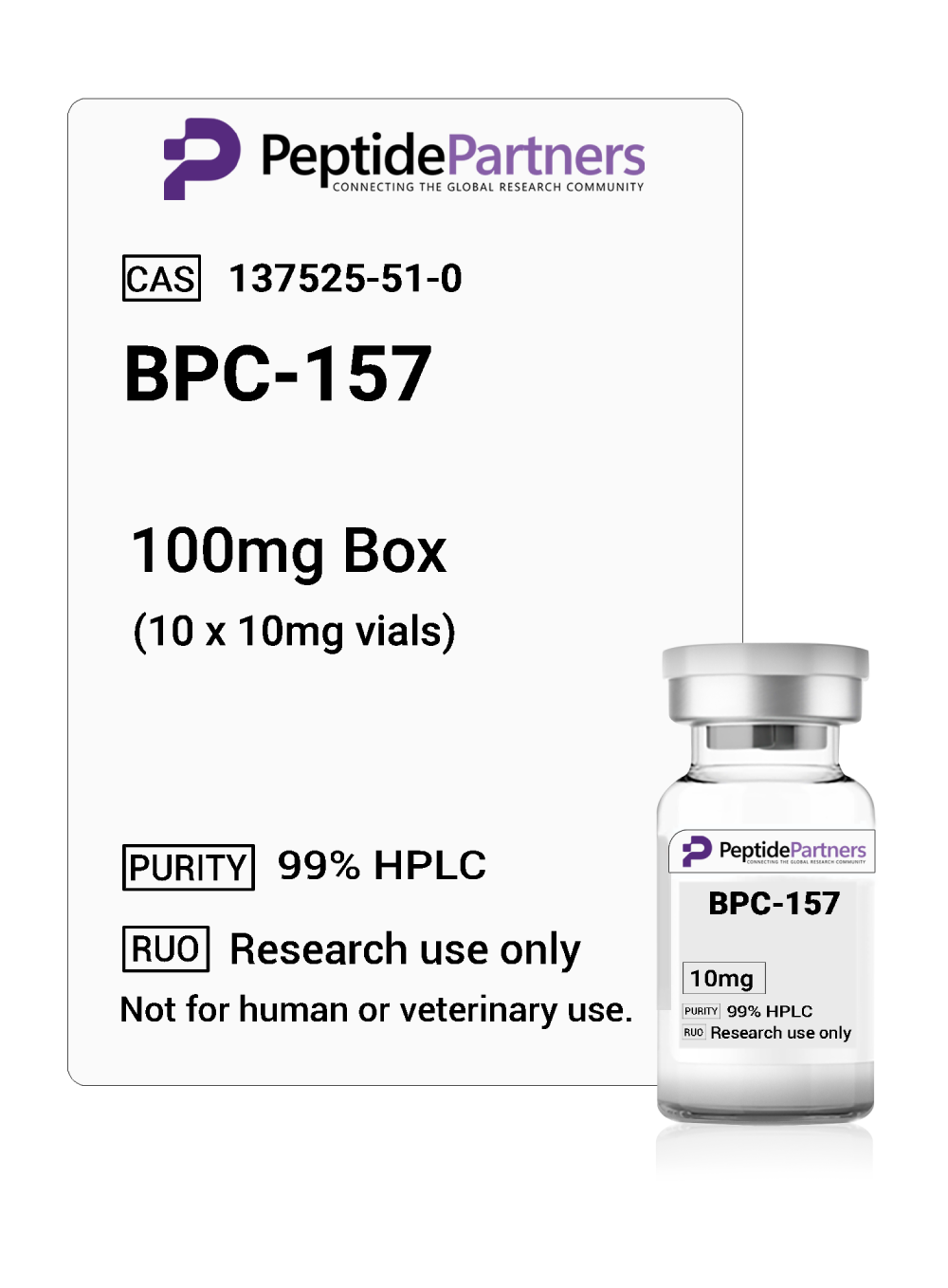
BPC-157 Kit
$200.00
Description
BPC-157 Kit
Independently Certified USP<85> Endotoxin Safe
Swipe right to view full table →
 |
Peptide Sciences | Liberty Peptides | |
Cost per milligram |
$2.00 |
$18.33 | $5.40 |
Purity |
99.99% |
98.5% | 99.5% |
Certified Endotoxin-safe |
Yes |
No | No |
Independently Tested |
Yes |
No | No |
Peptide Partners Manufacturer Id: WF03
Batch Id: BP20250808
Overview
(For educational purposes only)
Molecular Structure and Origin
BPC-157 is a synthetic pentadecapeptide with a specific amino acid sequence that contributes to its biological activity and stability.
Chemical Composition and Stability
BPC-157 consists of 15 amino acids (Gly-Glu-Pro-Pro-Pro-Pro-Gly-Lys-Pro-Ala-Asp-Asp-Ala-Gly-Leu-Val) with a molecular weight of 1419 Daltons[1]. This peptide is remarkably stable, demonstrating resistance to:
· Hydrolysis
· Enzyme digestion
· Degradation in gastric juice for more than 24 hours[2][3]
This unusual stability distinguishes BPC-157 from most peptides, which are typically degraded rapidly in the digestive environment[2]. The peptide’s stability may partially explain its reported effectiveness at very low doses[1].
Origin and Development
While sometimes described as being “derived from a protein in stomach acid”[4], the precise origin of BPC-157 requires clarification:
· It was initially claimed to be isolated from human gastric juice[1]
· Some researchers have questioned whether the claim that it was derived from a stomach protein is well-substantiated[5]
· Also known by alternative designations including BPC-15, PL-10, PLD-116, and PL14736[1]
The peptide’s name—”Body Protection Compound”—reflects its observed protective effects on various tissues, while “157” refers to its specific sequence position in the putative parent protein[4].
Mechanisms of Action
Research suggests BPC-157 operates through multiple complementary mechanisms that contribute to its tissue-healing properties.
Angiogenesis Promotion
BPC-157 demonstrates significant angiogenic effects (formation of new blood vessels):
· Activates VEGFR2 (vascular endothelial growth factor receptor 2) and internalizes it within cells[6]
· Activates the VEGFR2-Akt-eNOS pathway critical for blood vessel production and repair[6]
· Increases VEGFR2 expression in damaged tissue, contributing to enhanced blood vessel formation[6]
· Promotes angiogenesis, crucial for delivering nutrients and oxygen to injured areas[4]
These effects were confirmed in rat models, where damaged limbs treated with BPC-157 showed increased blood vessel formation compared to controls[6].
Growth Factor Modulation
BPC-157 influences various growth factors essential for tissue repair:
· Stimulates mRNA of growth factor EGR-1 in intestinal cells, with optimal efficacy at 50 μM concentration[6]
· Increases mRNA NAB2 shortly after EGR-1 stimulation[6]
· Influences vascular endothelial growth factor and fibroblast growth factor, critical for cell growth and tissue repair[4]
· Induces expression of growth hormone receptor in tendon fibroblasts at both mRNA and protein levels[7]
· Can increase growth hormone receptor expression up to sevenfold after three days of treatment[7]
Cellular Repair Enhancement
BPC-157 facilitates cellular healing through several mechanisms:
· Enhances fibroblast activity, crucial for new tissue formation[4]
· Promotes tendon fibroblast growth and spreading[6]
· Increases FAK and paxillin proteins in a concentration-dependent manner[6]
· Significantly enhances F-actin formation, important for the spreading process of tendon fibroblasts[6]
· Provides oxidative resistance to hydrogen peroxide in tendon cells[6]
· Helps negate the growth inhibitory effect of 4-hydroxynonenal (HNE) in tendocytes[6]
Anti-Inflammatory and Protective Effects
The peptide demonstrates significant protective and anti-inflammatory properties:
· Interacts with the nitric oxide system, important for muscle repair, vasodilation, and immune modulation[4]
· Serves as a potent anti-inflammatory agent[6]
· Shows protective effects against various toxins that induce ulcerations and inflammation[6]
· May act as an antioxidant, scavenging reactive oxygen species[2]
· Can bind and inactivate reactive free radicals at positions not accessible by other antioxidants[2]
Thrombosis Prevention and Resolution
BPC-157 may affect blood clot formation and dissolution:
· Can stop thrombosis formation and resolve already formed thrombi[2]
· Alleviates peripheral vascular occlusion disturbances by rapidly activating alternative bypass pathways[2]
· Maintains vascular integrity and directly protects the endothelium[2]
Potential Therapeutic Applications
Research suggests BPC-157 may offer benefits across multiple body systems, though most evidence comes from animal studies rather than human clinical trials.
Musculoskeletal System
BPC-157 has shown promising effects on musculoskeletal tissues in preclinical research:
· Accelerates healing in tendons, ligaments, and muscles[4][8]
· Enhances recovery of muscle fibers and cells[4]
· Promotes collagen reformation in surgical settings, with effects comparable to platelet growth factor[6]
· Improves tendon healing after Achilles heel injury in rat models[6]
· Assists tendon regeneration after surgical damage[6]
· May combat muscle atrophy and have neuroprotective activity[8]
Gastrointestinal System
Given its gastric origin, BPC-157 has been extensively studied for gastrointestinal effects:
· Protects against ulcers through mechanisms related to dopamine and adrenaline systems[6]
· Shows protective effects against various ulcer-inducing agents, including cyclophosphamide and haloperidol[6]
· Demonstrates benefit against intestinal inflammation caused by toxins[6]
· Assists in healing various types of intestinal fistulas (abnormal connections)[6]
· Helps with anastomosis healing (surgical connections between structures)[6]
· Shows potential benefits for irritable bowel syndrome[9]
Cardiovascular System
Some research suggests potential cardiovascular applications:
· May prevent or repair damage to cardiac tissue after heart attack[10]
· Supports mending of heart muscle following myocardial infarction[10]
· Has shown no dose-limiting or serious adverse events in Phase I safety studies for cardiovascular applications[10]
· Counteracts right heart failure induced by acute thrombotic coronary occlusion in rats[10]
Neurological System
BPC-157 may have neuroprotective properties:
· Shows potential for improved neurological outcomes after stroke or brain injury in animal models[2]
· Significantly improved locomotor recovery in rat models of spinal cord injury[2]
· Increased numbers of surviving neurons and oligodendrocytes while reducing inflammation in spinal cord injury models[2]
· Demonstrated neuroprotective, anti-inflammatory, and vasculoprotective properties in neurological applications[2]
· Counteracted injuries due to hippocampal ischemia/reperfusion in rat models[2]
Additional Potential Applications
Other reported benefits include:
· Promotion of wound healing and general tissue repair[4]
· Skin healing with reduced scar formation[4][2]
· Potential for restoring retinal (eye) tissue[4]
· Possible immune modulation potentially beneficial for conditions like COVID-19[10]
· Liver protection and counteraction of increased liver enzymes[10]
Current Evidence Status
Despite promising preclinical results, human evidence for BPC-157 remains limited.
Animal Studies
The majority of evidence comes from animal studies, primarily in rats:
· Demonstrated accelerated healing of transected rat Achilles tendon[7]
· Promoted early functional recovery of tendon-to-bone healing after Achilles detachment[7]
· Showed efficacy for rats suffering toxic or surgical trauma[5]
· Reduced injury healing time with visually confirmed smaller cut size and depth[6]
· Demonstrated anti-inflammatory effects against various toxins[6]
Human Evidence
Human clinical evidence is significantly more limited:
· No randomized clinical trials studying BPC-157 in humans[8]
· One small retrospective study involving 12 patients receiving intra-articular knee injections for non-specific knee pain, with 11 reporting improvement after telephone follow-up[8]
· Has been included in clinical trials for inflammatory bowel disease and multiple sclerosis[2][3]
· Reported to be effective in ulcerative colitis in phase II trials[3]
· Demonstrated no toxicity in available clinical trials[3]
Research Limitations
Several important limitations affect the current research landscape:
· Most studies come from one or two individual institutions in Europe[8]
· The vast majority of research has explored gastrointestinal benefits rather than other applications[8]
· Limited independent replication of findings
· Insufficient human safety and efficacy data
· Lack of standardized dosing protocols for human use
Safety Profile and Considerations
The safety profile of BPC-157 varies significantly between animal and human research contexts.
Animal Safety Data
In animal studies, BPC-157 has generally shown favorable safety characteristics:
· No clear toxicity or negative side effects reported in studies conducted in rodents[5]
· Toxicology studies reported no lethal dose (LD1)[3]
· Demonstrated stability and effectiveness at very low doses[1]
· Half-life of 66 hours in male rats and 69 hours in female rats[3]
Human Safety Considerations
Human safety data is far more limited:
· Insufficient evidence regarding safety in humans[5][8]
· Potential side effects similar to GLP-1 medications have been reported in some marketing materials, though not substantiated by peer-reviewed research[11]
· The FDA has expressed concerns about the use of BPC-157[8]
· The FDA has determined it is not a component of an approved drug and does not meet conditions for compounding[9]
· Not FDA approved for any indication in the United States[8]
Administration Routes and Bioavailability
BPC-157 can be administered through multiple routes, each with different considerations:
· Can be taken orally, topically, or via injection[5]
· Oral ingestion would not normally be expected to affect tissues outside the gastrointestinal tract because peptides aren’t easily absorbed into circulation[5]
· However, rodent studies suggest oral ingestion may have systemic effects, making this route potentially viable[5]
· Direct application (via injection or topical administration) may provide more targeted delivery
Regulatory Status
The regulatory status of BPC-157 varies globally and affects its availability and legal use.
Current Status
As of March 2025, BPC-157 exists primarily as a research compound:
· Not FDA-approved for human therapeutic use[5][9]
· Available primarily as a research peptide[4]
· Under investigation by anti-doping agencies, with the World Anti-Doping Agency (WADA) developing detection methods[4]
· Reference standards have been synthesized and distributed to doping control laboratories[4]
Medical and Research Considerations
The compound’s status raises several important considerations:
· Marketed primarily as a research peptide rather than a therapeutic agent
· Often promoted for healing and recovery despite limited human evidence
· Quality and purity may vary significantly between suppliers
· Long-term effects remain largely unknown
· Potential interactions with other medications are poorly understood
Conclusion
BPC-157 represents a fascinating peptide with significant potential for therapeutic applications across multiple body systems. Its unique stability, multiple mechanisms of action, and preliminary efficacy in animal models suggest promising avenues for future medical applications, particularly in tissue healing and regeneration.
The primary mechanisms through which BPC-157 appears to function include promoting angiogenesis via the VEGFR2-Akt-eNOS pathway, modulating growth factors, enhancing cellular repair processes, and providing anti-inflammatory and protective effects. These complementary actions may explain its broad spectrum of potential applications in musculoskeletal, gastrointestinal, cardiovascular, and neurological conditions.
However, the current evidence base for BPC-157 remains predominantly limited to preclinical animal studies, with minimal human clinical trial data. This significant gap between promising laboratory findings and proven human applications represents the most substantial limitation in recommending BPC-157 for therapeutic use. The absence of comprehensive human safety data, standardized dosing protocols, and regulatory approval further complicates its clinical application.
As research continues, particularly in controlled human trials, our understanding of BPC-157’s true therapeutic potential and safety profile will likely evolve. Until such evidence becomes available, caution is warranted regarding its use outside of properly designed clinical trials, despite its intriguing properties and preliminary results in animal models.
⁂
1. https://www.frontiersin.org/journals/pharmacology/articles/10.3389/fphar.2022.1026182/full
2. https://pmc.ncbi.nlm.nih.gov/articles/PMC8504390/
3. https://pmc.ncbi.nlm.nih.gov/articles/PMC11053547/
4. https://www.jeffreypengmd.com/post/is-bpc-157-the-future-of-healing
5. https://examine.com/supplements/bpc-157/
6. https://examine.com/supplements/bpc-157/research/
7. https://pmc.ncbi.nlm.nih.gov/articles/PMC6271067/
8. https://www.posmc.com/bpc-157-is-this-a-supplement-i-should-be-taking-to-improve-my-healing/
9. https://www.sports-injury-physio.com/post/the-peptide-bpc-157-good-for-athletes
10. https://pmc.ncbi.nlm.nih.gov/articles/PMC8575535/
11. https://dlmaesthetics.com/wp-content/uploads/2023/10/GLP-1-Side-Effects.docx-1-1.pdf
Additional information
| Quantity (mg) | 100 |
|---|
Related products
-

TB-500 (TB4) Kit (20mg – 100mg)
Price range: $103.00 through $420.00 Select options This product has multiple variants. The options may be chosen on the product page -
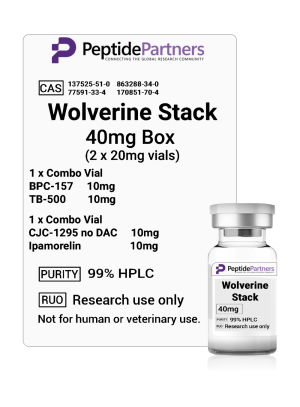
Wolverine Stack (BPC/TB5, CJC/IPA)
Price range: $212.00 through $636.00 Select options This product has multiple variants. The options may be chosen on the product page -
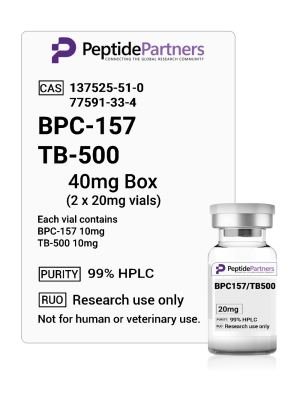
Combo Vial: BPC-157/TB-500 Kit
Price range: $234.00 through $796.00 Select options This product has multiple variants. The options may be chosen on the product page -
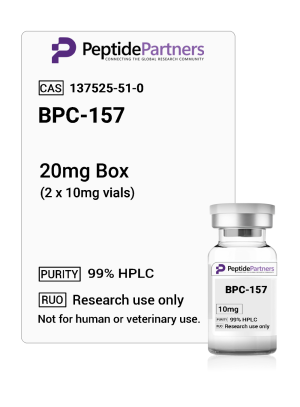
BPC-157 Kit (20mg – 200mg)
Price range: $96.00 through $720.00 Select options This product has multiple variants. The options may be chosen on the product page

Reviews
There are no reviews yet.