
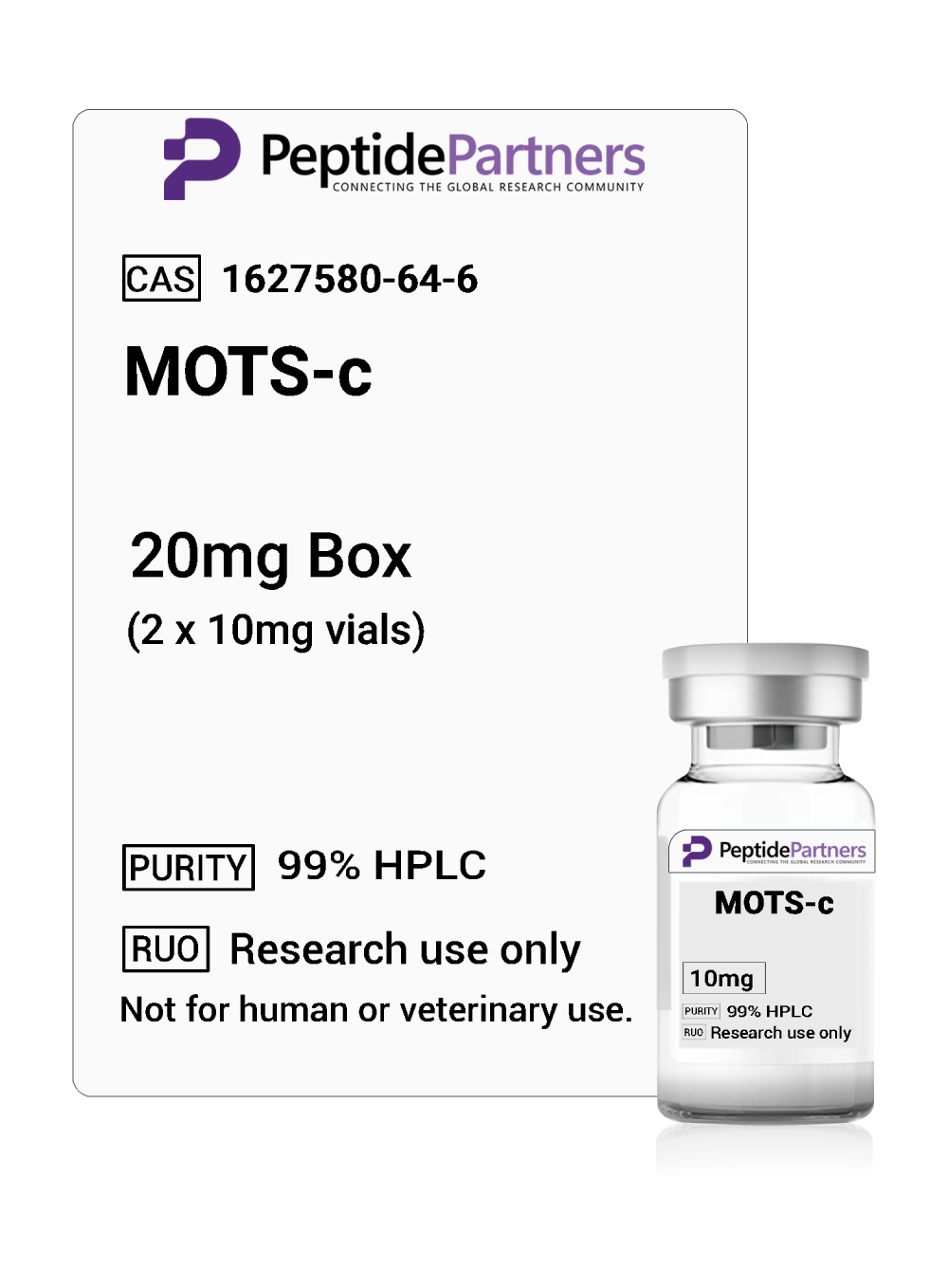
MOTS-c (20mg – 100mg)
Price range: $75.00 through $315.00
Description
MOTS-c
Save over 70%!
Swipe right to view full table →
 |
Peptide Sciences | Liberty Peptides | |
Cost per milligram |
$3.15 – $3.75 |
$11.00 | $4.20 |
Purity |
99.87% |
98.6% | 99.15% |
Certified Endotoxin-safe |
Yes |
No | No |
Independently Tested |
Yes |
No | No |
Peptide Partners Manufacturer Id: WF03
Batch Id: YC20250807
Overview
(For educational purposes only)
MOTS-c is a recently discovered mitochondrial-derived peptide that has shown remarkable potential in regulating metabolism, enhancing physical performance, and potentially slowing aspects of aging. This 16-amino acid peptide, encoded by mitochondrial DNA, functions as a crucial signaling molecule between mitochondria and the cell nucleus, with wide-ranging effects on cellular metabolism and stress resistance. Research suggests MOTS-c could have significant therapeutic applications for age-related conditions including diabetes, obesity, and reduced physical capacity.
Origin and Structure of MOTS-c
MOTS-c (Mitochondrial Open Reading Frame of the 12S rRNA Type-C) is a 16-amino acid peptide encoded by the 12S rRNA region of the mitochondrial genome[1][2]. First discovered by Lee and colleagues in 2015, this peptide has a primary structure of Met-Arg-Trp-Gln-Glu-Met-Gly-Tyr-Ile-Phe-Tyr-Pro-Arg-Lys-Leu-Arg, with the first 11 amino acid residues being highly conserved across 14 species, indicating its evolutionary importance[1][3].
Unlike typical mitochondrial proteins, MOTS-c translation occurs exclusively in the cytoplasm rather than within mitochondria. This is because mitochondrial translation would result in tandem codons using the mitochondria-specific genetic code[1]. The peptide is widely expressed in numerous tissues, including the brain, heart, liver, skeletal muscle, testes, kidney, spleen, and intestines, suggesting its systemic importance[3].
Interestingly, MOTS-c is also present in plasma, functioning as a hormone-like signaling molecule, though its circulating levels have been observed to decrease with age—a finding that may have significant implications for age-related diseases[1][2].
Cellular Mechanism of Action
AICAR-AMPK Pathway Activation
MOTS-c primarily exerts its metabolic effects through the AICAR-AMPK signaling pathway[3]. This sophisticated mechanism begins with MOTS-c disrupting the folate-methionine cycle in cells, which impedes de novo purine synthesis. This metabolic disruption results in increased levels of 5-aminoimidazole-4-carboxamide ribonucleotide (AICAR), an intermediate metabolite[3][2].
The accumulated AICAR then activates AMP-activated protein kinase (AMPK), which functions as a master regulator of cellular energy homeostasis[3][4]. Once activated, AMPK accelerates fatty acid oxidation through the phosphorylation of acetyl-CoA carboxylase (ACC), shifts cellular metabolism toward enhanced glucose uptake, and improves mitochondrial function[3].
Nuclear Translocation
Under conditions of metabolic stress, MOTS-c dynamically translocates from its typical location near mitochondria to the cell nucleus[1][5]. This nuclear migration allows MOTS-c to directly influence gene expression, particularly genes involved in stress resistance, protein homeostasis (proteostasis), and metabolic adaptation[5]. This remarkable ability to shuttle between cellular compartments enables MOTS-c to coordinate the mitochondrial-nuclear communication network essential for maintaining cellular resilience during metabolic challenges[2].
Physiological Functions and Benefits
Metabolic Regulation
MOTS-c demonstrates powerful effects on whole-body metabolism through several mechanisms:
1. Enhanced Glucose Metabolism: MOTS-c significantly improves glucose metabolism in skeletal muscle, increasing glucose uptake without stimulating insulin release, effectively functioning as an “exercise mimetic”[1][4].
2. Improved Insulin Sensitivity: Treatment with MOTS-c enhances insulin sensitivity, making it potentially valuable for addressing insulin resistance associated with aging and metabolic disorders[6][3].
3. Metabolic Flexibility: MOTS-c promotes metabolic flexibility—the ability to efficiently switch between different energy substrates (carbohydrates and fats) based on availability and demand[5][4]. This adaptability is crucial for maintaining metabolic health throughout aging.
4. Fat Utilization: Research shows MOTS-c increases the capacity for lipid utilization and fat oxidation, which may contribute to its effects on body composition and weight management[5][7].
Physical Performance Enhancement
One of the most striking benefits of MOTS-c is its ability to improve physical performance:
1. Increased Exercise Capacity: Studies in mice demonstrate that MOTS-c treatment significantly improves running endurance and performance across different age groups, from young to old mice[5].
2. Enhanced Power Output: MOTS-c-treated mice showed greater power output during exercise compared to control groups, indicating improved muscular efficiency[5].
3. Resistance to Fatigue: Treatment enabled higher percentages of mice to reach final running stages (highest speeds) in treadmill tests, suggesting enhanced resistance to fatigue[5].
4. Age-Dependent Performance Recovery: Perhaps most remarkably, MOTS-c treatment enabled old mice to outperform untreated middle-aged mice, suggesting not just rejuvenation but a more comprehensive physical reprogramming[5].
Anti-Aging Properties
MOTS-c demonstrates several mechanisms that may contribute to healthy aging:
1. NAD+ Elevation: MOTS-c elevates levels of NAD+, a critical metabolic cofactor that declines with age and is associated with longevity in various species[2].
2. Methionine Metabolism Restriction: The peptide influences methionine metabolism, a pathway where restriction has been shown to extend lifespan in mice by up to 45%[2].
3. Collagen Support: Research shows MOTS-c increases skin collagen by reducing inflammation, potentially slowing skin aging[2].
4. Reversal of Age-Related Metabolic Inflexibility: MOTS-c restores metabolic flexibility that typically declines with age, allowing for more efficient adaptation to changing energy demands[5].
Cellular Protection and Stress Resistance
MOTS-c significantly enhances cellular resilience against various stressors:
1. Metabolic Stress Protection: In vitro studies show MOTS-c protects cells from glucose restriction and serum deprivation, enhancing survival and recovery[5].
2. DNA Repair: Evidence suggests MOTS-c supports DNA repair mechanisms, crucial for limiting age-related cellular damage[6].
3. Autophagy Support: MOTS-c may enhance autophagy—the cellular “cleaning” process that removes damaged components—which declines with age[6].
4. Heat Shock Response: Gene expression studies reveal MOTS-c regulates heat shock proteins, which help maintain protein folding and stability during stress[5].
Potential Therapeutic Applications
Based on its diverse physiological effects, MOTS-c shows promise for treating various conditions:
Metabolic Disorders
1. Type 2 Diabetes: By improving insulin sensitivity and glucose metabolism, MOTS-c may help manage or prevent type 2 diabetes[1][6][3].
2. Obesity: Through its effects on metabolic flexibility, fat utilization, and body composition, MOTS-c could assist in weight management approaches[3][4][7].
Age-Related Conditions
1. Sarcopenia: The ability of MOTS-c to preserve muscle function could help address age-related muscle loss[5][2].
2. Cardiovascular Disease: Metabolic improvements from MOTS-c might reduce cardiovascular risk factors associated with aging[1][2].
3. Osteoporosis: Research indicates MOTS-c may promote bone metabolism, potentially benefiting those with osteoporosis[3][2].
4. Alzheimer’s Disease: Early evidence suggests potential benefits for neurodegenerative conditions like Alzheimer’s[2].
Performance Enhancement
While still experimental, MOTS-c’s demonstrated effects on physical performance suggest potential applications for:
1. Exercise Intolerance: Conditions where physical activity is limited by metabolic factors[5].
2. Recovery from Deconditioning: Situations requiring accelerated recovery of physical capacity[5].
Current Research Evidence
Animal Studies
Multiple studies in mice have demonstrated significant effects of MOTS-c treatment:
1. Age-Diverse Performance Studies: MOTS-c treatment (15 mg/kg/day) for two weeks improved physical performance in mice of different ages (2, 12, 22, and 23.5 months)[5][2].
2. Metabolic Challenge Response: When facing metabolic stress from high-fat diets, MOTS-c-treated mice maintained better running performance and showed reduced fat accumulation[5].
3. Metabolic Flexibility Recovery: Old mice treated with MOTS-c recovered circadian metabolic patterns similar to younger mice, indicating restored metabolic flexibility[5].
4. Post-Exercise Metabolic Adaptation: Metabolomic analysis showed MOTS-c significantly regulated glycolysis and amino acid metabolism in skeletal muscle after exercise[5].
Cellular Studies
In vitro research has further illuminated MOTS-c’s cellular mechanisms:
1. Stress Protection: MOTS-c treatment protected C2C12 myoblast cells from metabolic stress, improving survival approximately 2-fold under glucose restriction and serum deprivation[5].
2. Lipid Metabolism: Treatment increased cellular capacity to utilize lipids as fuel sources when glucose was limited[5].
3. Gene Expression: RNA sequencing revealed MOTS-c regulation of genes involved in heat shock response, protein folding, and metabolic adaptation[5].
Conclusion
MOTS-c represents a fascinating example of mitochondrial-nuclear communication with wide-ranging effects on metabolism, physical performance, and cellular resilience. As a mitochondrial-derived peptide that declines with age, MOTS-c supplementation shows promise for addressing multiple aspects of aging and metabolic dysfunction.
Current research suggests MOTS-c functions primarily through AMPK activation, promoting metabolic flexibility, enhancing physical performance, and improving cellular stress resistance. These effects position MOTS-c as a potential therapeutic for conditions including diabetes, obesity, sarcopenia, and other age-related disorders.
While most research remains in preclinical stages, the consistent benefits observed across multiple studies and the peptide’s endogenous nature make MOTS-c a promising candidate for translation to human applications. Future research focusing on optimal dosing, delivery methods, and long-term effects will be crucial to realize the full therapeutic potential of this remarkable mitochondrial-encoded peptide.
⁂
1. https://pmc.ncbi.nlm.nih.gov/articles/PMC9905433/
2. https://pmc.ncbi.nlm.nih.gov/articles/PMC9570330/
3. https://pmc.ncbi.nlm.nih.gov/articles/PMC9866798/
4. https://www.transformyou.com/mots-c-peptide
5. https://www.nature.com/articles/s41467-020-20790-0
6. https://www.renewyouth.com/mots-c-a-potential-anti-aging-peptide/
Additional information
| Quantity (mg) | 20mg, 50mg, 100mg |
|---|
Related products
-
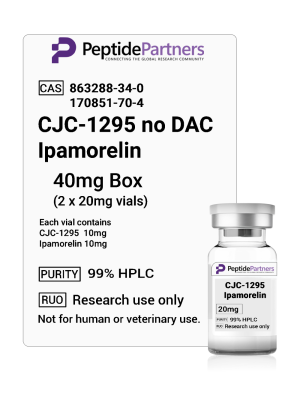
Combo Vial: CJC-1295 no DAC/Ipamorelin Kit (40mg – 200mg)
Price range: $198.00 through $796.00 Select options This product has multiple variants. The options may be chosen on the product page -
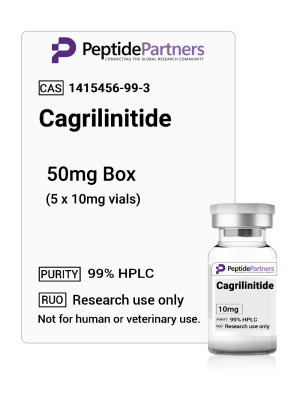
Cagrilintide (50mg – 100mg)
Price range: $185.00 through $300.00 Select options This product has multiple variants. The options may be chosen on the product page -

Tirzepatide (80mg – 800mg)
Price range: $224.00 through $1,520.00 Select options This product has multiple variants. The options may be chosen on the product page -
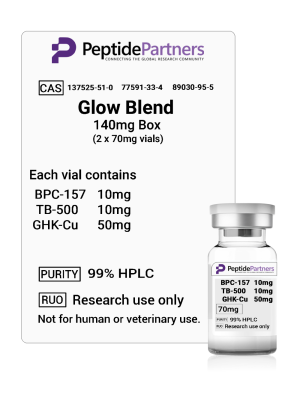
Glow Blend: BPC-157/TB-500/GHK-Cu
Price range: $224.00 through $840.00 Select options This product has multiple variants. The options may be chosen on the product page

Reviews
There are no reviews yet.