

Oxytocin Acetate
$180.00
Description
Oxytocin Acetate: Structure, Function, and Therapeutic Applications
Oxytocin acetate represents an important salt form of the peptide hormone oxytocin, utilized in both research and clinical applications. This synthetic variant maintains the biological functions of endogenous oxytocin while offering enhanced stability and pharmaceutical properties. As a pleiotropic hypothalamic peptide, oxytocin acetate facilitates numerous physiological processes ranging from childbirth and lactation to complex social behaviors, while demonstrating significant therapeutic potential across diverse medical conditions.
Molecular Structure and Biochemical Properties
Oxytocin acetate is a salt form of oxytocin, a nonapeptide hormone with a well-defined molecular structure essential to its biological function.
Chemical Composition
The basic structure of oxytocin consists of nine amino acids arranged in the sequence cysteine-tyrosine-isoleucine-glutamine-asparagine-cysteine-proline-leucine-glycine-amide (Cys-Tyr-Ile-Gln-Asn-Cys-Pro-Leu-Gly-NH₂, or CYIQNCPLG-NH₂)[1]. This structure includes:
· A disulfide bridge connecting the two cysteine residues, creating a partial ring structure
· A C-terminus converted to a primary amide, which enhances stability
· A molecular mass of approximately 1007 Da for the native peptide[1]
The acetate salt form adds stability for pharmaceutical preparations without altering the peptide’s fundamental biological activity. In this form, acetic acid associates with the basic amino groups of the peptide, improving solubility and stability characteristics while maintaining full receptor binding capabilities.
Receptor Interactions
Oxytocin acetate, like the native hormone, exerts its effects primarily through binding to specific G-protein-coupled receptors:
· Primary activation of oxytocin receptors (OT-R)[2]
· Potential cross-reactivity with vasopressin receptors at higher concentrations[3][4]
· Functions as a receptor agonist, stimulating downstream signaling cascades[5]
The receptor binding profile is highly specific, with the oxytocin receptor requiring magnesium and cholesterol for optimal function[1]. Unlike atosiban, which acts as an oxytocin receptor antagonist, oxytocin acetate functions as a full agonist at these receptors[4][5].
Physiological Functions
Oxytocin acetate affects multiple body systems, with roles extending well beyond its classical functions in reproduction and social behavior.
Reproductive System Effects
The most well-established functions of oxytocin are related to reproduction:
· Stimulation of uterine contractions during childbirth through a positive feedback mechanism[1][5]
· Facilitation of milk ejection during lactation[6]
· Involvement in sexual arousal and reproductive behaviors in both men and women[6][3]
In childbirth applications, oxytocin acetate stimulates the myometrium, increasing both the strength and frequency of uterine contractions. This mechanism operates via a positive feedback loop—unusual among hormones, which typically function through negative feedback[5].
Neurological and Behavioral Effects
Beyond reproductive functions, oxytocin acetate influences various neurological processes and behaviors:
· Promotion of social bonding, trust, and attachment[6]
· Facilitation of romantic and maternal bonding behaviors[6]
· Reduction of anxiety states and stress responses[7]
· Modulation of pain perception through enhanced endogenous pain inhibition[7]
· Potential effects on learning, memory, and social cognition[2]
Research has shown that intranasal oxytocin administration “may augment endogenous pain inhibitory capacity and reduce negative mood states including anxiety”[7]. This suggests potential therapeutic applications beyond traditional obstetric uses.
Metabolic and Anti-inflammatory Properties
Emerging research indicates that oxytocin acetate possesses additional beneficial properties:
· Functions as a stress-coping molecule with anti-inflammatory effects[8]
· Demonstrates antioxidant properties that may protect tissues[8]
· Potential involvement in appetite regulation and feeding behaviors[2]
These properties position oxytocin acetate as a potential therapeutic agent for conditions involving inflammation, oxidative stress, and metabolic dysregulation.
Clinical Applications and Therapeutic Uses
Oxytocin acetate has both established medical applications and emerging therapeutic potential across various conditions.
Obstetric and Gynecological Applications
The primary medical uses of oxytocin acetate are in obstetrics:
· Induction and augmentation of labor[6][5]
· Prevention and treatment of postpartum hemorrhage by promoting uterine contraction[6]
· Support for breastfeeding by facilitating milk ejection[6]
These applications rely on oxytocin’s ability to cause “penile erection and facilitates sexual behavior by a mechanism not involving the guanylate cyclase-cyclic guanosine monophosphate (GC-cGMP) pathway”[3].
Neuropsychiatric Applications
Emerging research suggests potential benefits in various neuropsychiatric conditions:
· Autism spectrum disorders[9]
· Anxiety disorders, including social anxiety[9][7]
· Post-traumatic stress disorder (PTSD)[9]
· Depression, including post-natal depression[9]
· Borderline personality disorder[9]
Studies have demonstrated that intranasal oxytocin administration can reduce negative mood states and anxiety, suggesting therapeutic potential for mood and anxiety disorders[7].
Pain Management
Research indicates that oxytocin acetate may have analgesic properties:
· Enhancement of endogenous pain inhibitory mechanisms[7]
· Potential application in chronic pain conditions[7]
· Possible reduction of pain sensitivity through central and peripheral mechanisms[7]
One study found that intranasal oxytocin significantly improved conditioned pain modulation at the masseter muscle, indicating enhanced pain inhibitory capacity[7].
Addiction Treatment
Oxytocin has shown promise in addressing addictive behaviors:
· Potential reduction in craving for various substances including alcohol, cannabis, opioids, cocaine, and nicotine[10]
· Possible application as an ad hoc medication following exposure to drug-related cues[10]
· May help address automated addictive behaviors through specific neurobiological mechanisms[10]
Research suggests that oxytocin may have “anticraving properties for addictive behaviours,” potentially operating through amygdala-mediated mechanisms[10].
Pharmaceutical Formulations
Oxytocin acetate is available in several pharmaceutical preparations:
Commercial Availability
The compound is available in various forms:
· Research-grade preparations (1 mg and 5 mg quantities)[2]
· Pharmaceutical formulations under various brand names[6][9]
· Synthetic oxytocin marketed as Pitocin and Syntocinon[6][9]
For research purposes, oxytocin acetate salt is commercially available from chemical suppliers, with pricing ranging from approximately $59 for 1 mg to $176 for 5 mg quantities[2].
Administration Routes
Oxytocin acetate can be administered through several routes:
· Intravenous or intramuscular injection for obstetric applications[6]
· Intranasal delivery for neuropsychiatric applications[9][7]
· Potential sublingual or buccal administration in some formulations
The intranasal route has gained particular attention for non-obstetric applications due to its ability to deliver oxytocin directly to the brain, potentially bypassing the blood-brain barrier[9][7].
Safety Profile and Considerations
Oxytocin acetate generally demonstrates a favorable safety profile when used appropriately:
· Well-tolerated in most clinical applications
· Primary adverse effects include possible cardiovascular effects and uterine hyperstimulation in obstetric use
· For intranasal administration, minor nasal irritation may occur
· Potential for cross-reactivity with vasopressin receptors at higher doses[3][4]
The compound is contraindicated in certain conditions, including cases where vaginal delivery is contraindicated, and should be used with caution in patients with cardiovascular disorders.
Conclusion
Oxytocin acetate represents an important pharmaceutical form of the naturally occurring peptide hormone oxytocin. Its diverse physiological functions—ranging from uterine contraction and lactation to social bonding and pain modulation—make it a versatile therapeutic agent with applications extending well beyond its traditional obstetric uses.
As research continues to elucidate oxytocin’s complex roles in neurophysiology, metabolism, and inflammation, oxytocin acetate may find expanded applications in treating conditions ranging from autism spectrum disorders and anxiety to addiction and chronic pain. Its unique ability to influence both physiological processes and social-emotional behaviors positions it as a compound of significant interest in both medical research and clinical practice.
The acetate salt form specifically offers enhanced stability and pharmaceutical properties, making it particularly valuable for research applications and potential therapeutic development. As our understanding of oxytocin’s diverse mechanisms continues to evolve, oxytocin acetate is likely to remain an important tool in both basic research and clinical medicine.
⁂
1. https://en.wikipedia.org/wiki/Oxytocin
2. https://www.scbt.com/p/oxytocin-acetate-salt-50-56-6
3. https://pmc.ncbi.nlm.nih.gov/articles/PMC8509000/
4. https://go.drugbank.com/drugs/DB09059
5. https://go.drugbank.com/drugs/DB00107
6. https://www.yourhormones.info/hormones/oxytocin/
7. https://pmc.ncbi.nlm.nih.gov/articles/PMC4417654/
8. https://www.adooq.com/oxytocin-acetate.html
9. https://restore-mentalhealth.com/oxytocin-spray-work/
https://bpspubs.onlinelibrary.wiley.com/doi/10.1111/bph.15617
Additional information
| Title | Default Title |
|---|
Related products
-
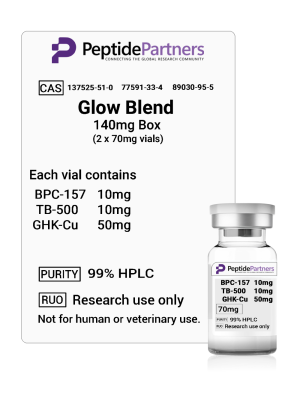
Glow Blend: BPC-157/TB-500/GHK-Cu
Price range: $224.00 through $840.00 Select options This product has multiple variants. The options may be chosen on the product page -
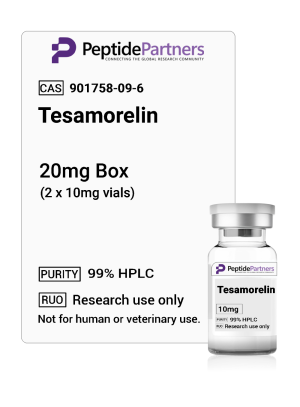
Tesamorelin (20mg – 200mg)
Price range: $86.00 through $540.00 Select options This product has multiple variants. The options may be chosen on the product page -
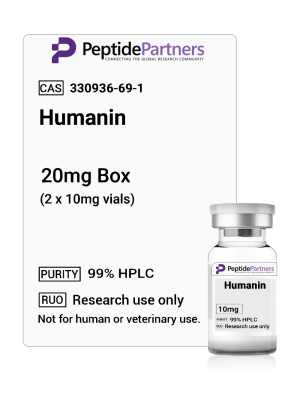
Humanin (20mg – 100mg)
Price range: $150.00 through $660.00 Select options This product has multiple variants. The options may be chosen on the product page -
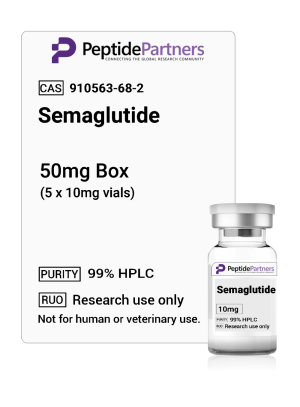
Semaglutide Kit (50mg – 200mg)
Price range: $249.00 through $784.00 Select options This product has multiple variants. The options may be chosen on the product page

Reviews
There are no reviews yet.