
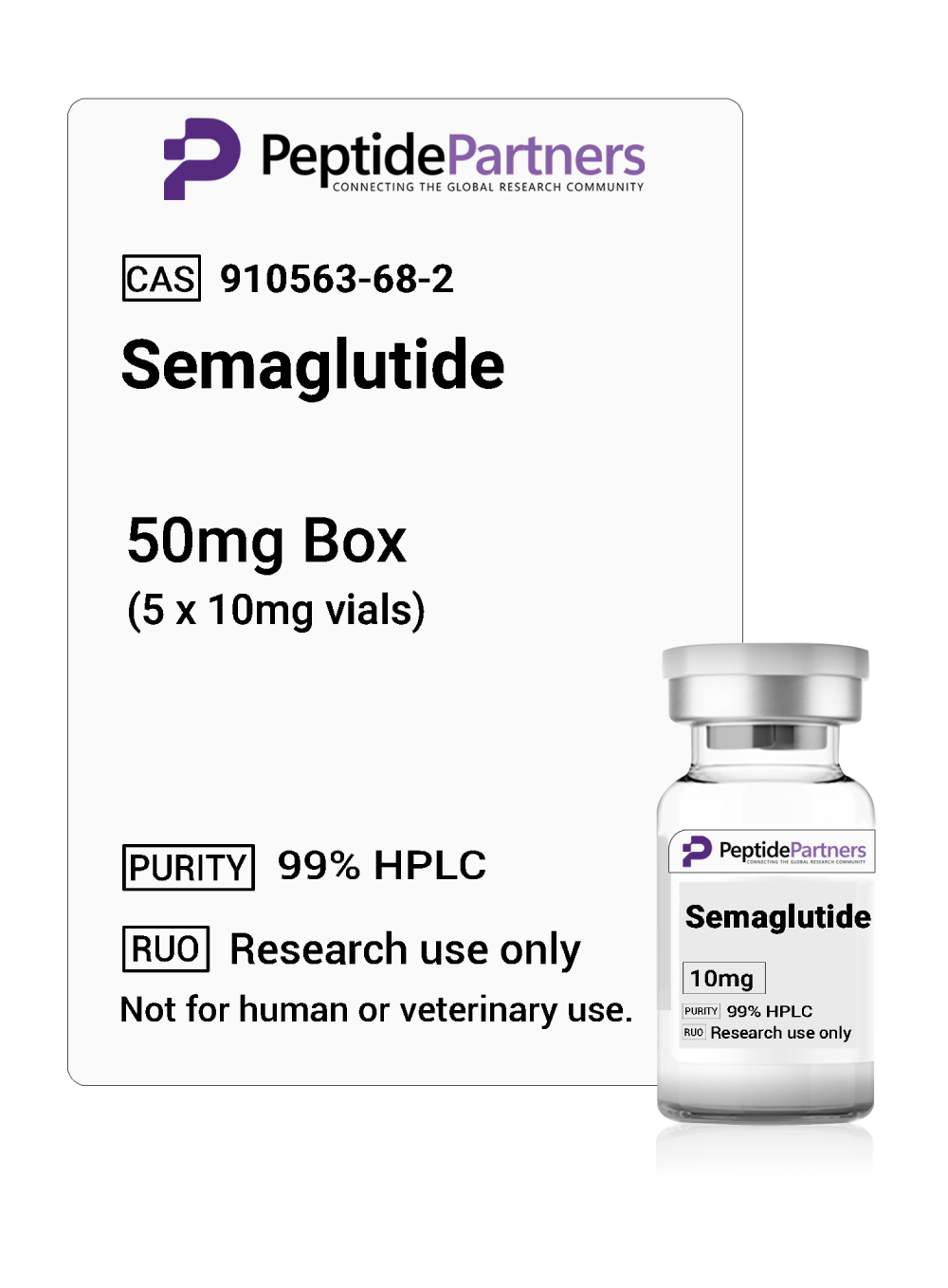
Semaglutide Kit (50mg – 200mg)
Price range: $249.00 through $784.00
Description
Semaglutide Kit
Save over 70%!
 |
Peptide Sciences | Liberty Peptides | |
Cost per milligram |
$3.92 – $4.98 |
$25.50 | $11.20 |
Purity |
99.34% |
99.6% | 99.87% |
Certified Endotoxin-safe |
Yes |
No | No |
Independently Tested |
Yes |
No | No |
Peptide Partners Manufacturer Id: EJ12
Batch Id: SM20250801
Overview
(For educational purposes only)
Molecular Structure and Mechanism of Action
Semaglutide is a 94% homolog of human GLP-1, with strategic chemical modifications that enhance its therapeutic properties. The peptide consists of 31 amino acids with key substitutions to prevent enzymatic degradation and extend its half-life.
Chemical Design and Pharmacological Properties
The molecule features specific modifications that distinguish it from naturally occurring GLP-1:
· Substitution at position 8 (alanine replaced by 2-aminoisobutyric acid) prevents breakdown by dipeptidyl peptidase-4 (DPP-4)[1]
· Lysine at position 26 contains a long fatty acid chain that promotes albumin binding[1]
· The peptide is more than 99% bound to albumin, contributing to its extended half-life of approximately one week (165-184 hours)[1][2]
These structural adaptations create a molecule that resists degradation while maintaining potent receptor activation, allowing for convenient weekly dosing in its injectable forms.
Physiological Effects
Semaglutide exerts its therapeutic benefits through multiple complementary mechanisms:
1. Enhanced Insulin Secretion: Stimulates glucose-dependent insulin release from pancreatic beta cells, improving postprandial glucose control[3][4]
2. Glucagon Suppression: Inhibits glucagon release, reducing hepatic glucose production and improving fasting blood glucose levels[3][4]
3. Delayed Gastric Emptying: Slows the movement of food from the stomach to the small intestine, reducing postprandial glucose excursions and promoting satiety[4][5]
4. Appetite Reduction: Directly affects the central nervous system to decrease food intake and energy consumption[4][5]
5. Improved Metabolic Flexibility: Enhances the body’s ability to switch between energy substrates based on availability[2]
At the cellular level, semaglutide primarily operates through the AMPK (AMP-activated protein kinase) pathway, which regulates cellular energy homeostasis and improves insulin sensitivity. For its cardiovascular benefits, semaglutide is believed to reduce atherosclerosis progression by decreasing gut permeability and inflammation[2].
Available Formulations and Brands
Semaglutide is available in three distinct FDA-approved formulations, each targeting specific patient populations and conditions:
Injectable Semaglutide for Diabetes
· Form: Subcutaneous injection administered once weekly
· Available Doses: 0.25 mg, 0.5 mg, 1 mg, and 2 mg pre-filled pens
· Primary Indication: Type 2 diabetes management[1][4]
· Secondary Benefits: Cardiovascular risk reduction in adults with type 2 diabetes and established cardiovascular disease[4]
Injectable Semaglutide for Weight Management
· Form: Subcutaneous injection administered once weekly
· Available Doses: 0.25 mg, 0.5 mg, 1 mg, 1.7 mg, and 2.4 mg pre-filled pens
· Primary Indication: Chronic weight management in adults with obesity (BMI ≥30) or overweight (BMI ≥27) with at least one weight-related comorbidity[1][4]
· Dosing Strategy: Gradual titration to 2.4 mg for maximum weight loss effects
Oral Semaglutide
· Form: Daily oral tablet
· Available Doses: 3 mg, 7 mg, and 14 mg
· Primary Indication: Type 2 diabetes management
· Bioavailability: Significantly lower (0.4-1%) than injectable formulations (89%)[3][4]
· Administration Requirements: Must be taken on an empty stomach with a small amount of water (≤4 oz) and 30 minutes before eating, drinking, or taking other oral medications
Clinical Applications and Efficacy
Type 2 Diabetes Management
As an adjunct to diet and exercise, semaglutide effectively improves glycemic control in adults with type 2 diabetes:
· Reduces HbA1c levels with greater efficacy than other diabetes medications, including other GLP-1 receptor agonists[6]
· Improves insulin sensitivity through multiple mechanisms, particularly important in addressing insulin resistance[3]
· Can be used as monotherapy when metformin is inappropriate or in combination with other diabetes medications[1]
· Provides glucose control in a glucose-dependent manner, minimizing hypoglycemia risk compared to some other diabetes treatments[3]
Weight Management
The most striking clinical benefit of semaglutide, particularly at the 2.4 mg weekly dose (Wegovy), is its unprecedented effectiveness for weight reduction:
STEP 5 Trial Results (104-week data)
· Mean weight loss of 15.2% at week 104 versus 2.6% with placebo (treatment difference: -12.6 percentage points)[6]
· 77.1% of participants achieved ≥5% weight loss at week 104 (versus 34.4% with placebo)[6]
· 61.8% achieved ≥10% weight loss (versus 13.3% with placebo)[6]
· 52.1% achieved ≥15% weight loss (versus 7.0% with placebo)[6]
· 36.1% achieved ≥20% weight loss (versus 2.3% with placebo)[6]
· Weight loss plateaued at approximately week 60 and remained stable through week 104, indicating sustained efficacy[6]
These results significantly exceed outcomes reported with other non-surgical weight management approaches, with mean weight loss comparable to some bariatric surgery procedures.
Cardiometabolic Risk Reduction
Beyond weight loss and glycemic control, semaglutide provides several cardiometabolic benefits:
· Reduces systolic blood pressure (ETD -4.2 mmHg versus placebo at week 104)[6]
· Improves lipid profiles, including reductions in total cholesterol, LDL cholesterol, VLDL cholesterol, and triglycerides[6]
· Decreases C-reactive protein, a marker of inflammation[6]
· Reduces waist circumference (ETD -9.2 cm versus placebo at week 104)[6]
Maintenance of Weight Loss
A critical aspect of semaglutide’s clinical value is its ability to maintain weight loss over extended periods—something that has challenged previous weight management approaches:
· Similar mean weight loss at weeks 52 and 104 in STEP 5 (-15.6% and -15.2%, respectively), suggesting minimal weight regain with continued therapy[6]
· In contrast, discontinuation studies have shown substantial weight regain once treatment stops, with patients regaining approximately two-thirds of their original weight loss one year after discontinuation[1]
· This pattern strongly supports the view of obesity as a chronic disease requiring ongoing treatment[6]
Safety Profile and Adverse Effects
Gastrointestinal Effects
The most common adverse effects of semaglutide are gastrointestinal disorders:
· In STEP 5, 82.2% of semaglutide-treated participants experienced gastrointestinal adverse events versus 53.9% with placebo[6]
· Most common symptoms include nausea, diarrhea, vomiting, and constipation[6][7][8]
· Typically mild-to-moderate in severity and transient, often occurring during dose escalation[6][7][8]
· Led to treatment discontinuation in 3.9% of participants in the semaglutide group versus 0.7% in the placebo group in STEP 5[6]
Other Safety Considerations
Several additional safety considerations are relevant for semaglutide treatment:
1. Gallbladder Disorders: Increased risk of gallbladder-related problems, particularly cholelithiasis (gallstones)[7][8]
2. Thyroid C-Cell Tumors: Carries a boxed warning regarding the risk of thyroid C-cell tumors based on animal studies, though a causal relationship in humans has not been established[7]
3. Pancreatitis: Potential risk of pancreatitis, though no cases were reported in the STEP 5 trial, and overall risk appears low[6][7]
4. Diabetic Retinopathy: Patients with pre-existing diabetic retinopathy may experience complications, particularly if also treated with insulin[7]
5. Acute Kidney Injury: Cases have been reported, necessitating monitoring of renal function[7]
6. Hypoglycemia: Risk is generally low but increases when combined with insulin or insulin secretagogues[7]
7. Malignancies: No significant difference in overall cancer risk between semaglutide and placebo groups in clinical trials[1][6]
8. Mental Health: A 2024 FDA review found no evidence that semaglutide causes suicidal thoughts or actions, despite earlier concerns[1]
A systematic safety review confirmed that most adverse effects are mild-to-moderate, transient, and primarily gastrointestinal in nature, with an overall favorable risk/benefit profile given the substantial clinical benefits[7][8].
Pharmacokinetics and Metabolism
Semaglutide exhibits unique pharmacokinetic properties that contribute to its efficacy and convenient dosing schedule:
· Absorption: 89% bioavailability for subcutaneous injection versus 0.4-1% for oral formulation[3]
· Distribution: Volume of distribution of 8-12.5 liters[3][2]
· Protein Binding: >99% bound to albumin in plasma[3][2]
· Metabolism: Undergoes proteolytic degradation followed by fatty acid oxidation[3][2]
· Elimination Half-life: Approximately one week (165-184 hours)[1][3]
· Steady State: Achieved after 4-5 weeks of consistent dosing[3]
· Major Metabolite: P3 metabolite accounts for about 7.7% of an ingested dose[2]
The molecule’s structural modifications render it resistant to degradation by DPP-4 enzymes, while neural endopeptidase (NEP) serves as another pathway for its metabolism[2].
Conclusion
Semaglutide represents a significant advancement in the treatment of metabolic disorders, particularly type 2 diabetes and obesity. Its dual mechanism as a GLP-1 receptor agonist provides powerful effects on both glycemic control and body weight regulation, with efficacy that exceeds previous pharmacological approaches.
The medication’s most remarkable attribute is its ability to produce sustained weight loss of approximately 15% over two years, with minimal weight regain when treatment continues. This level of efficacy approaches results seen with some bariatric surgery procedures, offering a non-surgical alternative for patients with obesity or overweight with comorbidities.
While gastrointestinal side effects are common, they are typically transient and manageable through proper dose titration. The overall safety profile appears favorable, with serious adverse events being relatively rare and consistent with the broader GLP-1 receptor agonist class.
As research continues and clinical experience expands, semaglutide is likely to remain a cornerstone therapy for metabolic health, with potential applications extending beyond its current approved indications. The medication’s success underscores the value of targeting incretin pathways in treating metabolic disorders and highlights the chronic nature of conditions like obesity that benefit from ongoing management rather than short-term interventions.
⁂
1. https://en.wikipedia.org/wiki/Semaglutide
2. https://go.drugbank.com/drugs/DB13928
3. https://pmc.ncbi.nlm.nih.gov/articles/PMC8736331/
4. https://www.drugs.com/semaglutide.html
5. https://pmc.ncbi.nlm.nih.gov/articles/PMC10092086/
6. https://www.nature.com/articles/s41591-022-02026-4
Additional information
| Quantity (mg) | 50mg, 100mg, 150mg, 200mg |
|---|
Related products
-
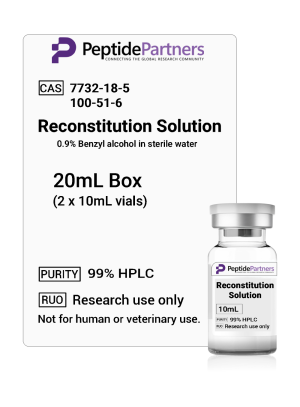
Reconstitution Solution (BAC) (20mL – 100mL)
Price range: $28.00 through $120.00 Select options This product has multiple variants. The options may be chosen on the product page -
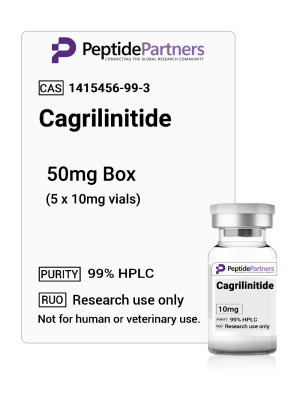
Cagrilintide (50mg – 100mg)
Price range: $185.00 through $300.00 Select options This product has multiple variants. The options may be chosen on the product page -
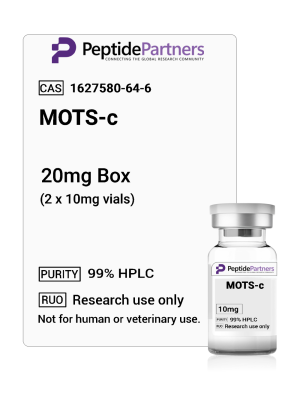
MOTS-c (20mg – 100mg)
Price range: $75.00 through $315.00 Select options This product has multiple variants. The options may be chosen on the product page -
Tesamorelin (20mg – 200mg)
Price range: $86.00 through $540.00 Select options This product has multiple variants. The options may be chosen on the product page

Reviews
There are no reviews yet.